Gutter Cleaning Hackettstown: Essential Maintenance for Every Season
@elliotttxab267
November 16, 2026 · 15 min read

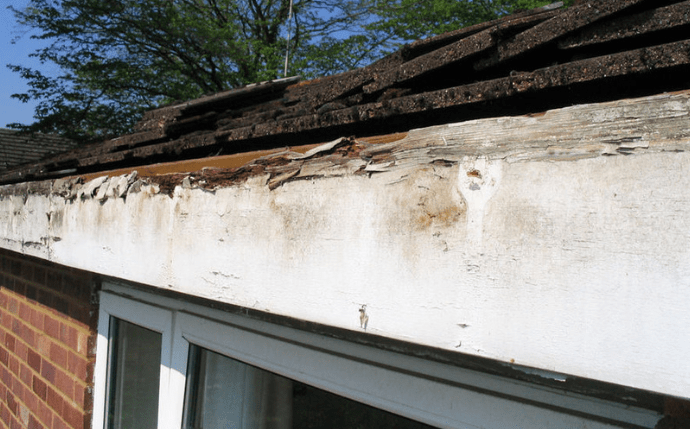

A clean gutter system rarely gets much attention when it is doing its job well. Water moves off the roof, into the gutters, down the downspouts, and away from the house with almost no fanfare. The moment that system fails, though, the problems show up fast. Fascia boards begin to stain, mulch washes into the yard, basement walls take on moisture, and ice starts to build where it should not. In a place like Hackettstown, where homes deal with leaf drop, spring rain, summer storms, and winter freeze-thaw cycles, gutter maintenance is not a cosmetic task. It is basic home protection.
People often think of gutters as a fall concern because leaves are the obvious culprit. That is only half the story. Seasonal changes in Warren County put different kinds of stress on the same system throughout the year. Blossoms and seed pods collect in spring. Summer storms can pack debris into elbows and underground drains. Autumn brings heavy leaf load. Winter turns trapped water into expanding ice. The houses that avoid expensive exterior repairs are usually the ones where someone paid attention before the warning signs became damage.
For homeowners searching for dependable advice on Gutter Cleaning Hackettstown, the real goal is not simply to remove debris once and move on. It is to understand how gutters behave through the year, what local conditions tend to cause trouble, and when a small maintenance visit can prevent a much larger repair bill later.
Why gutters fail earlier than homeowners expect
Most gutter systems are fairly simple. That simplicity can be misleading. Because they sit at the roof edge and remain out of direct sight, small problems develop unnoticed. A handful of wet leaves near a downspout does not look serious from the ground, but once that material compacts, water begins to slow. Add granules from aging shingles, twigs from a nearby maple, and a little roof moss, and the trough starts acting less like a channel and more like a dam.
The hidden issue is weight. Dry debris is one thing. Saturated debris is another. Even a short section of gutter can become surprisingly heavy after a storm if it is filled with compacted organic matter. That weight pulls at hangers, loosens fasteners, and changes slope. Once the pitch is off, water no longer drains the way it should, even after the visible clog is removed. A homeowner may think the gutter was cleaned, yet water still pools because the system was knocked out of alignment months earlier.
Hackettstown homes vary widely in age and design, and that matters. Older homes may have wood fascia that is less forgiving once water starts overflowing behind the gutter. Newer homes sometimes have long gutter runs that collect debris from complex rooflines. Ranch homes, colonials, split-levels, and houses with dormers all create different water patterns. In practice, there is no one-size-fits-all cleaning schedule. The roof type, surrounding trees, and drainage layout matter as much as the season.
The seasonal rhythm of gutter problems in Hackettstown
The calendar is a useful guide because each season leaves its own calling card in the gutter system.
Spring brings more than rain
Spring cleaning is not just a phrase when it comes to exterior maintenance. In early spring, gutters often contain the leftovers from late fall and winter, especially on homes that did not get a final clean before freezing weather. Debris that sat wet for months can turn into a dense, muddy layer that does not flush out with a simple hose spray.
Pollen, helicopter seeds, bud casings, and small blossoms add a second wave of buildup. Homeowners are often surprised by how quickly downspouts clog at this time of year. The material is finer than leaves, but it mats together tightly. During a hard April rain, that mat can stop water as effectively as a wad of leaves.
Spring is also when drainage problems become easiest to spot. If water cascades over the gutter edge, drips from seams, or pools near the foundation after a storm, the system is telling you something. This is the best season to correct pitch, reseal joints, and verify that downspouts discharge far enough from the house.
Summer storms test every weak point
Summer in northern New Jersey can be deceptive. There may be stretches of dry weather, then a thunderstorm unloads inches of rain in a short period. That kind of volume reveals weaknesses fast. A gutter that handles light rain may overflow during a downpour if debris has narrowed the channel or if a downspout is partially blocked.
Trees create a different problem in summer. Small twigs, broken bark, and shingle grit often wash down during storms. If a home has overhanging branches, a stormy season can turn a recently cleaned gutter into a partially obstructed one much sooner than expected. This is especially common where mature oaks or maples hang over roof valleys.
Summer is also when many homeowners finally notice staining on siding or erosion below roof edges. By then, the problem often started much earlier. Overflow leaves marks. Repeated overflow can dig trenches in flower beds, splash dirt onto brick or vinyl, and saturate the perimeter soil around the foundation. None of those signs should be ignored as merely aesthetic.
Fall is the obvious season, but not the only important one
Fall gets most of the attention for a reason. Once leaf drop begins in earnest, gutters can fill rapidly, especially on homes surrounded by deciduous trees. One windy weekend can change a clean system into a clogged one. The timing matters, too. Cleaning too early can be wasted effort if the majority of leaves are still on the branches. Cleaning too late can mean going into winter with trapped moisture and organic buildup.
The challenge in Hackettstown is that leaf drop rarely happens in one neat event. Different trees shed on different schedules. Some homeowners need one cleaning in late fall. Others need a touch-up after the first hard wind or after neighboring trees finish dropping. Properties with pine trees may need attention even beyond the traditional fall window because needles collect steadily and can clog tight downspout openings.
A common mistake is focusing only on the gutter trough and forgetting the downspout. The trough may look clear from above while a clog sits several feet down inside the vertical run or at the elbow. That is why a true cleaning is more than scooping out leaves. The whole drainage path needs to flow freely.
Winter punishes neglect
Winter is where deferred maintenance becomes expensive. If water remains trapped in gutters because of debris or poor pitch, freezing temperatures turn that water into ice. Ice is heavy, and it expands. Gutters can separate at seams, pull loose from fascia, or sag under the load. Even if the gutter holds, the freeze-thaw cycle places stress on every connection point.
Ice dams are a separate but related issue. They are usually tied to insulation and attic ventilation problems, but clogged gutters can make water backup worse at the roof edge. When snow melts unevenly and refreezes, the gutter may become part of the blockage rather than part of the solution.
Winter is also when safe access becomes difficult. Cleaning ladders on frozen ground or dealing with icy roof edges is not sensible for most homeowners. That is one reason fall service matters so much. Preventive work before the deep cold arrives is almost always easier and safer than emergency work in January.
What a proper gutter cleaning actually includes
A lot of frustration around gutter maintenance comes from mismatched expectations. Some homeowners assume cleaning means a quick pass to remove visible leaves. Others expect a full performance check. In professional practice, the most useful service includes both debris removal and system evaluation.
At a minimum, the gutters should be cleared of leaves, twigs, sludge, and roof grit. Downspouts should be tested for unrestricted flow, not just assumed clear. Fasteners should be checked for looseness, seams inspected for leaks, and end caps evaluated for signs of separation. Slope should be observed because standing water is a sign that the problem is not only debris.
This is where experience matters. A trained eye can often spot whether overflow came from a simple clog, an undersized downspout, a poor installation angle, or a section that has slowly detached from the fascia. Those distinctions matter. Cleaning a structurally failing gutter may improve things for a week, but it will not solve the underlying issue.
On some homes, especially where roofs shed heavy runoff into concentrated valleys, splash guards or additional outlets may be worth considering. On others, the gutter itself is fine, but the extension at ground level is too short, allowing water to dump too close to the foundation. Maintenance and correction often go hand in hand.
Warning signs that should not wait for the next season
Homeowners usually call for service after they see one of a few familiar symptoms. Water pouring over the gutter lip during rain is the most obvious. Sagging sections are another. Stains on siding, peeling paint near the roofline, and plant growth in the gutter all point to long-term moisture retention.
Less obvious signs can be just as important. If the ground near the house stays soggy long after rain has stopped, the downspout discharge may be inadequate or obstructed. If basement humidity rises after storms, poor roof drainage may be contributing. If insects seem unusually active around the eaves, wet organic material in the gutters may be helping create the conditions they like.
One of the more overlooked indicators is winter icicle formation in unusual spots. Icicles do not always mean a gutter problem, but when they form along clogged or sagging runs, they are often telling you that meltwater has nowhere to go. That is a signal to evaluate the system before the next freeze.
The cost of waiting too long
Gutter cleaning feels easy to postpone because the immediate consequences are not always dramatic. Yet many of the repairs linked to poor drainage cost far more than routine maintenance. Replacing sections of rotted fascia, repairing soffits, repainting stained trim, correcting landscape washout, and remediating moisture near the foundation all add up quickly.
Foundation concerns deserve special attention. Gutters are not designed only to protect the walls above. Their job is also to control where roof runoff lands. A moderate-size roof can shed a substantial amount of water during a strong storm. If that water spills directly at the base of the house because the gutters are clogged or the downspouts are blocked, the soil around the foundation repeatedly expands and contracts. Over time, that can contribute to settlement issues, hydrostatic pressure, and basement seepage.
Even when major structural damage never develops, the smaller repair cycle gets expensive. Once water starts finding the wrong path, it stains, swells, rusts, loosens, and erodes. Exterior maintenance becomes reactive instead of planned. In my experience, homes with well-maintained gutters almost always present better overall because water has been managed properly from the top down.
DIY versus professional service
There is no reason to pretend every homeowner must hire out this work. Some do their own gutter maintenance safely and thoroughly. A single-story home with stable access, minimal tree cover, and a straightforward layout can be manageable for a careful person with the right equipment. The issue is not whether DIY is possible. The issue is whether it is wise on a given property.
Two-story homes, steep grades, uneven ground, and complicated rooflines change the risk equation. So do hidden conditions like loose gutters, hornet activity, slippery moss, and underground drain tie-ins that need to be checked. Falls from ladders are common enough that this decision deserves honesty. Saving a service fee is not worth a trip to the emergency room or damage from an unsecured ladder crushing a gutter run.
Professional service also tends to catch what homeowners miss. A person focused on removing debris may not notice a slowly pulling hanger, a seam that is beginning to fail, or a downspout elbow that drains sluggishly because of compaction lower in the system. In many cases, the value of a professional visit is less about the cleaning itself and more about the early diagnosis that comes with it.
How often Hackettstown homes usually need service
There is no universally correct number, but there are patterns. A home with few nearby trees may only need service once or twice a year. A property shaded by mature deciduous trees may need spring and late-fall cleanings, with an occasional additional visit if leaf drop is heavy. Homes near pines often need more frequent attention because needles accumulate steadily and are excellent at creating dense clogs.
Weather can change the schedule. One season of frequent storms can create enough debris movement that gutters need attention sooner than usual. Likewise, a dry fall with slow leaf drop may push the ideal cleaning date later than expected. The best maintenance plans stay flexible rather than relying on a single calendar reminder.
If a homeowner wants a simple rule of thumb, the right schedule is the one that keeps water moving freely in every season, not just after a cleaning appointment. If the system overflows before the next planned visit, the schedule is too sparse for that property.
Gutter guards can help, but they are not magic
Many homeowners ask whether guards eliminate the need for cleaning. The honest answer is no, though some products can reduce the frequency and severity of debris buildup. Guards are tools, not permanent exemptions from maintenance.
Their effectiveness depends heavily on the debris type around the home. Large leaves may be kept out reasonably well by some systems. Fine debris like maple seeds, pine needles, or shingle grit can still create issues, either on top of the guard or inside the channel. Poorly installed guards may also interfere with water entry during heavy rain, causing overshoot.
That does not mean guards are a bad idea. On the right house, they can make maintenance easier and reduce major clogs. But they still need periodic inspection, and they do not solve problems like poor pitch, inadequate downspout capacity, or failing fasteners. Any contractor promising zero maintenance forever is overselling.
Choosing the right time for service
Homeowners often ask when to book gutter cleaning rather than how often to do it. Timing matters because a well-timed service can carry the system cleanly into the next weather phase.
A practical seasonal pattern often looks like this:
- A spring inspection and cleaning to clear winter residue and prepare for heavy rains.
- A late-fall cleaning after the majority of leaf drop has finished.
- An additional mid-season visit for heavily wooded properties or after major storms.
- A winter visual check from the ground to spot ice-related issues or overflow patterns.
That is not a rigid formula. It is a sensible starting point. The best schedule accounts for the actual behavior of the property, including how fast gutters collect debris, how the yard drains, and whether past overflow has occurred in specific sections.
What homeowners can do between cleanings
Professional gutter cleaning or careful DIY work handles the main task, but a little observation between visits goes a long way. During a hard rain, step outside and watch. You can learn more in five minutes https://edgarnjpo789.alderbrief.com/posts/gutter-cleaning-hackettstown-key-to-preventing-structural-damage of active observation than from months of assuming everything is fine.
Look for water spilling over the front edge, leaking at joints, or shooting out awkwardly from elbows. Notice whether all downspouts are discharging evenly. Check whether splash blocks are in place and whether runoff is cutting channels through mulch or soil. A gutter system should move water quietly and predictably. Drama during rainfall usually means a maintenance issue is already underway.
Trees should also be part of the conversation. Branches that hang directly over the roof will keep filling the gutters no matter how often they are cleaned. Selective trimming can reduce the load significantly, though it will not remove the need for maintenance entirely. The goal is to limit avoidable debris and improve access to sunlight and airflow where possible.
Why local experience matters
Searching online for general gutter advice is easy. Applying that advice to an actual home in Hackettstown takes more judgment. Local weather patterns, mature tree cover, older housing stock, and winter freeze conditions all affect how gutter systems perform here. A maintenance plan that works in a dry region or on a newer subdivision home with sparse trees may not fit this area at all.
That is why homeowners looking for Gutter Cleaning Hackettstown should think beyond the basic question of who can remove leaves. The better question is who understands what local homes tend to face over the full year. Experience shows up in small decisions, like whether a downspout should be flushed further, whether a sagging run can be resecured or needs replacement, or whether recurring overflow points to a capacity issue rather than a cleaning issue.
Well-maintained gutters are not flashy, but they protect some of the most expensive parts of a home. Roof edges, siding, trim, landscaping, and foundations all benefit when water is controlled properly. Every season in Hackettstown asks something a little different of the gutter system. Keeping up with those demands is not glamorous maintenance, but it is some of the most practical work a homeowner can do.
Just Gutters LLC
Address: 262 Main St, Hackettstown, NJ 07840
Phone number: +12013319454
FAQ About Gutter Cleaning Hackettstown
How much should a gutter clean cost?
Professional gutter cleaning typically costs between $163 and $333, with a national average of around $210 to $250 for a standard-sized home.
What months should you clean gutters?
You should clean your gutters twice a year—once in late autumn (November to December) and once in late spring (April to May).
Is it worth paying for gutter cleaning?
Yes, paying for gutter cleaning is worth it because it prevents thousands of dollars in water damage, roof leaks, and structural repairs.