Gutter Cleaning in Hackettstown and Its Impact on Foundation Safety
@elliotttxab267
November 16, 2026 · 14 min read
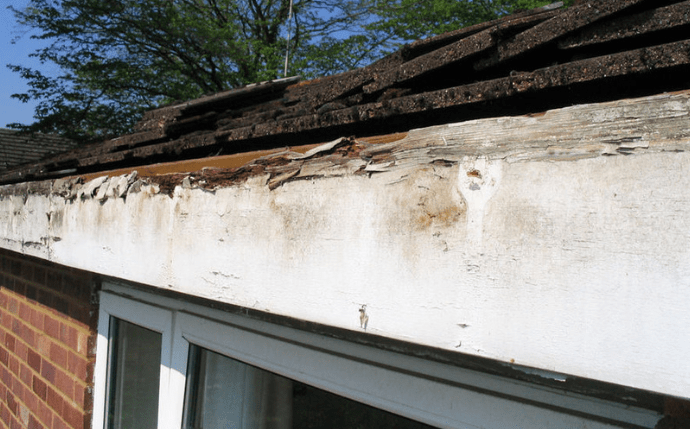
Most homeowners think about gutters when water starts spilling over the edge, when a downspout clogs, or when a ladder comes out of the garage on a fall weekend. Far fewer connect gutter condition to the health of the foundation below. That gap in understanding matters, especially in a place like Hackettstown, where seasonal leaf drop, spring rains, summer storms, and winter freeze-thaw cycles can put steady pressure on a home’s drainage system.
Gutters do more than keep rain off the siding. They control where thousands of gallons of water go over the course of a year. When they work properly, that water is collected, channeled, and discharged away from the structure. When they clog, sag, or overflow, the water often ends up pooling close to the house, saturating soil around the base of the foundation, and creating the kind of slow damage that stays hidden until the repair bill gets expensive.
That is why Gutter Cleaning Hackettstown is not just a routine exterior chore. It is part of protecting the most important structural element of the house.
The overlooked connection between roof runoff and foundation stress
A roof sheds a surprising amount of water. On a modest home, even a one-inch rain can produce hundreds of gallons of runoff. Multiply that by repeated storms, and the volume becomes significant. If the gutter system captures and moves that runoff well away from the perimeter, the soil near the foundation stays comparatively stable. If it does not, the ground next to the house absorbs more water than it should.
Soil movement is where many foundation problems begin. Saturated soil expands. Dry soil contracts. In New Jersey, where weather patterns can swing from wet periods to dry stretches, this movement happens repeatedly. The result is uneven pressure against foundation walls and footings. Some homes show early warning signs quickly, while others develop issues slowly over several seasons.
I have seen this play out on properties where the homeowner was focused on a small basement crack without realizing the real cause was outside. The crack kept getting patched, but water continued to overflow from a clogged valley gutter during every hard rain. The repair on the wall did not matter much until the drainage issue was corrected. That sequence is common. People fix what they can see indoors before tracing the problem back to the gutter line.
Why Hackettstown homes face a specific set of risks
Hackettstown has the kind of environment that can punish neglected gutters. Mature trees are a big part of the area’s appeal, but they also fill troughs with oak leaves, maple seeds, twigs, and gritty organic debris. That material does not always wash through the system. It mats down, traps moisture, and creates a heavy sludge that blocks water flow.
Then winter complicates things. When gutters hold debris and standing water, freezing temperatures can turn them into rigid ice channels. Ice adds weight, loosens fasteners, and can force water to back up under roof edges. During thaw periods, meltwater may pour over the sides in exactly the wrong spots, often near corners of the house where foundations are already vulnerable to concentrated runoff.
Hackettstown properties also vary widely in grading. Some homes sit on lots that naturally move water away. Others have flat or slightly inward-sloping areas near the house, especially after years of landscaping changes, settling, or patio installation. On those lots, gutter overflow is more likely to collect right where it can do the most damage.
What actually happens when gutters overflow near the foundation
Overflow rarely creates a dramatic failure overnight. More often, it starts a chain reaction. Water drops from the gutter edge or spills from a clogged corner and lands in a concentrated stream. That repeated discharge erodes mulch, splashes dirt onto siding, and cuts shallow channels in flower beds. Over time, the soil near the foundation becomes persistently damp.
Persistent dampness brings several problems at once. First, the hydrostatic pressure against below-grade walls can increase, especially during sustained wet periods. Second, water may find openings at joints, utility penetrations, or small foundation cracks. Third, if the soil is fine or clay-heavy, it can hold moisture and press laterally against the wall. Finally, if temperatures fall, freeze-thaw movement can widen small gaps.
Inside the house, the signs may seem unrelated at first. A basement may smell musty. Paint may blister on a lower wall. A finished room below grade may show minor staining near the floor. Upstairs, doors may start sticking or floors may feel less level than before. None of those symptoms automatically means the gutters are at fault, but neglected runoff control should always be part of the investigation.
One homeowner in Warren County described it perfectly after a long-delayed cleanup. They had spent two years blaming humidity for a damp basement corner. Once the packed gutters and buried downspout extension were cleared, the problem all but disappeared except during the heaviest storms. The basement dehumidifier still had a job, but it no longer ran nonstop after every rain.
Foundation damage rarely announces itself early
The hard part about foundation trouble is that it often stays quiet in the beginning. By the time a homeowner notices a diagonal crack, a widening control joint, or water entering the basement, the outside drainage pattern has usually been poor for quite a while.
That is one reason regular Gutter Cleaning Hackettstown services can https://maps.app.goo.gl/VYbnNaG41GNeopNq7 be so valuable. Cleaning is not only about removing leaves. A competent cleaning also reveals whether the system is pitched correctly, whether spikes or hidden hangers are failing, whether seams are leaking, and whether downspouts are discharging too close to the house. The debris removal matters, but the inspection value matters too.
Foundations do not need perfect conditions to remain stable. They need reasonably consistent moisture levels around the structure and a clear path for roof runoff to move away. Gutters are one of the cheapest systems on the property, but they influence some of the most expensive repairs.
The role of downspouts, which often get less attention than the gutters themselves
A clean gutter with a blocked or poorly placed downspout still creates risk. Water has to leave the roofline and travel far enough from the house to avoid soaking the backfill around the foundation. In many cases, that means at least several feet of extension, though the right distance depends on slope, soil type, and lot drainage.
This is where homeowners sometimes get a false sense of security. They clean the gutter channels but ignore a crushed elbow, a disconnected bottom section, or an underground drain line that has filled with sediment. The system looks fine from ground level, yet all the runoff is still emptying next to the footing.
Corners of the house deserve special attention because they collect runoff from two roof planes. When a corner downspout fails, the volume can be substantial. If that corner also happens to sit near a basement entry, window well, or settled section of walkway, water intrusion risk climbs fast.
Signs your gutter system may already be affecting foundation safety
Several clues tend to show up before severe foundation damage develops. Homeowners should take them seriously, especially when more than one is present at the same time.
- Water spilling over the gutter edge during moderate rain
- Soil erosion, mulch washout, or trenches forming below roof edges
- Basement dampness or musty odors after storms
- Cracks in foundation walls, especially those that change over time
- Downspouts ending too close to the house or draining into clogged underground lines
None of these signs proves a structural problem on its own. What they do indicate is poor water management, and poor water management is one of the most common contributors to avoidable foundation distress.
Seasonal timing matters more than many people realize
In Hackettstown, the calendar matters. A single annual cleaning is enough for some homes, but not for many. Tree cover, roof design, and storm exposure all influence the right schedule.
A property surrounded by tall deciduous trees may need attention in late spring and again after the main fall leaf drop. A home with pine trees can need more frequent service because needles accumulate differently and can pass through some guards while still creating blockages. Roof valleys also deserve special mention. They collect concentrated debris and can dump it into one section of gutter quickly during a storm.
Winter prep is especially important. If gutters enter freezing weather already clogged, the chance of ice-related overflow goes up sharply. Once ice forms, effective drainage drops, and the added weight can twist or separate the system from the fascia.
For many homes, a practical maintenance rhythm looks like this:
- Inspect in early spring for winter damage, clogs, and loose sections.
- Clean in late spring or early summer if seed pods, blossoms, or storm debris have built up.
- Perform a full cleaning in late fall after most leaves have dropped.
- Check downspout discharge points before winter freezes set in.
- Reassess after any major storm that drops branches or roofing granules into the system.
That schedule is not universal, but it reflects the pattern that works well for a large share of homes in this region.
Why small gutter defects turn into larger drainage failures
A lot of drainage problems start with details that seem minor. One loose hanger allows a low spot to form. Water collects there, making the section heavier. The pitch worsens, debris settles, and the gutter begins to hold standing water. Then the seam at the end cap starts leaking, or the front lip bends just enough for overflow to develop during heavy rain.
At the same time, organic matter trapped in the gutter breaks down into a mud-like material that holds moisture against metal or fasteners. On older systems, that can accelerate corrosion. On newer aluminum systems, it can still create extra load and block flow through outlets.
The same pattern shows up at downspout openings. A small clog at the drop outlet slows discharge. The gutter above it starts backing up. During a summer thunderstorm, water may pour over ten or twelve feet of gutter edge even though the actual blockage is concentrated in one area. Homeowners watching from a window often assume the system is undersized, when in reality it is simply obstructed.
Professional cleaning versus do-it-yourself work
Some homeowners are comfortable on ladders and can handle basic cleaning safely. Others should not attempt it, especially on two-story homes, steep grades, or roofs with complicated geometry. Safety aside, there is a difference between scooping out visible leaves and evaluating the whole drainage system.
A professional often notices issues that a quick DIY pass misses. These include improper pitch, separated joints, failing straps, hidden clogs in lower elbows, splash marks that reveal chronic overflow, and discharge points that are undermining soil near the house. That broader assessment is where real value often lies.
There is also the question of thoroughness. A rushed cleaning can leave compacted debris near outlets, which is usually the worst place to leave it. It can also ignore roof valleys and underground leaders. If those areas remain blocked, the cleaning may not solve the core drainage problem.
That said, not every home needs the most expensive service package or accessory upgrade. I have seen plenty of houses sold gutter guards they did not really need, or guards installed over systems that already had pitch issues and loose fascia connections. Guards can help under certain tree conditions, but they are not a cure for poor installation, inadequate maintenance, or bad downspout placement.
The foundation costs of waiting too long
It is easy to postpone gutter maintenance because the problem does not always feel urgent. The financial logic changes when you compare cleaning costs with the downstream repairs that poor drainage can trigger.
A routine service visit is modest compared with foundation crack repair, basement waterproofing, mold remediation, or replacing settled hardscaping near the house. Even cosmetic issues add up. Splashback can stain siding, rot trim, and damage planting beds. Saturated areas can also attract pests. Carpenter ants, mosquitoes, and other unwanted guests are far more likely around persistently wet exterior conditions.
The biggest cost, though, is often not a dramatic structural emergency. It is the accumulation of several avoidable problems at once. A little seepage becomes damaged flooring in a finished basement. A little soil erosion becomes a settled walkway that pitches water back toward the home. A little fascia rot becomes a larger gutter replacement job because the mounting surface failed.
What a good inspection should include
When evaluating foundation risk related to gutters, it helps to look at the whole water path, from roof edge to discharge point. A proper inspection is less about one component and more about continuity. Water should be collected, carried, released, and dispersed without interruption.
That means checking the visible gutter channels, the outlet holes, the elbows, the vertical downspouts, and the final discharge area. It also means looking at the ground afterward. If the soil below remains soft for days, if mulch keeps washing away, or if there is green algae on masonry near one downspout, those are useful clues. Water always leaves evidence.
Inside the home, it is worth comparing exterior trouble spots with interior symptoms. If one corner gutter overflows and the basement below that corner smells damp, the connection may be direct. If a downspout discharges beside a front step and the adjacent wall shows hairline movement, that is another pattern worth taking seriously.
Older homes and newer homes each have their own vulnerabilities
Older homes in and around Hackettstown sometimes have stone or block foundations, aging drainage tiles, or decades of settlement that make them more sensitive to water concentration. These houses may tolerate a lot, but once moisture starts moving through old mortar joints, the effects can be persistent.
Newer homes are not immune. In some cases, modern lots are graded tightly, and space between homes is narrower. That can limit where downspouts discharge and make water management more dependent on every component working correctly. New construction can also experience settlement around the foundation backfill, creating low areas that collect runoff during the first few years if they are not corrected.
So while the architecture may differ, the principle is the same. Keep roof runoff moving away from the structure, and foundation risk drops. Let water concentrate at the base of the home, and the odds of trouble rise.
When gutter cleaning alone is not enough
There are cases where cleaning solves the immediate overflow but not the broader drainage issue. If the lot slopes toward the house, if hardscape traps water near the foundation, or if underground leaders are broken or collapsed, more work may be needed. Sometimes the fix is regrading. Sometimes it is extending downspouts, adding splash blocks, or rerouting discharge. On other properties, the issue is a mix of roof runoff and groundwater, which may call for a more comprehensive waterproofing plan.
That does not make gutter maintenance less important. It makes it the first, most obvious place to start. There is no reason to diagnose complex foundation moisture conditions while a basic roof drainage failure remains uncorrected.
A practical way to think about prevention
The most useful mindset for homeowners is simple. Every storm tests the drainage system. If gutters and downspouts are clear, secure, and discharging properly, the house passes that test more often. If they are clogged or compromised, the foundation is taking on stress it was never meant to handle repeatedly.
Gutter Cleaning Hackettstown should be treated as preventive structural care, not cosmetic maintenance. The work may happen at the roofline, but its payoff is felt at ground level and below it. Clean gutters reduce overflow. Properly functioning downspouts move water away. Drier soil around the home stays more stable. Stable soil supports a more stable foundation.
That is not marketing language. It is the practical chain of cause and effect that shows up on real properties, season after season. When homeowners stay ahead of debris, monitor discharge, and fix small gutter defects before they grow, they give their foundation one of the best protections available, and they do it at a fraction of the cost of repairing water-related structural damage later.
Just Gutters LLC
Address: 262 Main St, Hackettstown, NJ 07840
Phone number: +12013319454
FAQ About Gutter Cleaning Hackettstown
How much should a gutter clean cost?
Professional gutter cleaning typically costs between $163 and $333, with a national average of around $210 to $250 for a standard-sized home.
What months should you clean gutters?
You should clean your gutters twice a year—once in late autumn (November to December) and once in late spring (April to May).
Is it worth paying for gutter cleaning?
Yes, paying for gutter cleaning is worth it because it prevents thousands of dollars in water damage, roof leaks, and structural repairs.