The Importance of Regular Gutter Cleaning in Hackettstown Homes
@elliotttxab267
November 16, 2026 · 14 min read


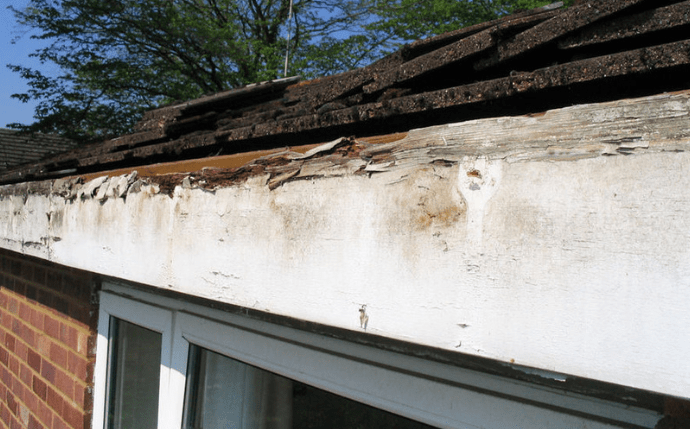
A gutter system does quiet work until the day it does not. When it is clear, rainwater moves off the roof, into the downspouts, and away from the house with very little drama. When it is clogged, every storm exposes the weak points of the property. Water spills over the edges, pools near the foundation, stains siding, loosens fascia boards, and, in colder weather, can freeze where it should have drained. Homeowners in Hackettstown often notice the problem only after damage shows up indoors or along the exterior trim. By then, what could have been a routine maintenance visit has turned into a repair job.
That is why regular gutter cleaning matters more than many people expect. It is not glamorous maintenance, and it rarely gets the same attention as a roof replacement or a kitchen remodel. Still, it plays a direct role in protecting a home from moisture intrusion, preserving structural components, and reducing expensive surprises. In a place like Hackettstown, where homes see spring pollen, summer downpours, heavy leaf fall, and winter freeze-thaw cycles, neglecting gutters invites trouble in every season.
Why gutters matter more in Hackettstown than many homeowners realize
Hackettstown sits in a part of New Jersey where the weather rarely stays gentle for long. A home may go from wind-driven rain in April to humid summer storms, then into a dense carpet of leaves in autumn, followed by ice and snow. Each season adds material to the gutter system or puts more pressure on it. Oaks, maples, pines, and other common trees in residential neighborhoods all contribute in different ways. Broad leaves form dense mats that block flow. Pine needles tangle and compact into stubborn debris. Seed pods, small twigs, roof grit, and shingle granules build up over time.
The age and style of the housing stock in Hackettstown also matter. Some homes have steep rooflines that shed water fast. Others have older gutters with subtle pitch problems, loose hangers, or undersized downspouts. A newer gutter system can still clog if it sits beneath mature tree cover. An older one can fail even with moderate debris if seams have weakened or sections have started to sag. That combination of changing weather and varied home design means there is no single cleaning schedule that fits every property. What is universal is the risk that comes from letting debris sit too long.
I have seen this pattern countless times in towns with similar conditions. A homeowner assumes the gutters are probably fine because water is not visibly spilling over in light rain. Then a strong storm hits, one downspout backs up, and all that roof runoff pours over a section near the front entry or the rear corner of the foundation. The damage often looks sudden, but the cause has been building quietly for months.
What clogged gutters actually do to a house
The common assumption is that clogged gutters just look messy. The bigger issue is that they redirect water to places it was never meant to go. Water is patient. It follows gravity, finds seams, settles into low areas, and keeps working on any material that stays wet long enough.
When gutters overflow, the first signs often appear on the exterior. You may see dark streaks on siding, dirt splash along lower walls, or peeling paint on fascia and soffits. Those cosmetic clues usually point to a larger moisture problem. Wood trim that stays damp becomes soft. Fasteners loosen. Sections of gutter pull away from the house under the extra weight of soggy debris and standing water.
Foundation trouble is another major concern. Gutters are designed to move water away from the base of the home. If they fail, runoff can collect right beside the foundation. Over time, that can contribute to soil erosion, settlement issues, and water intrusion in basements or crawl spaces. Not every wet basement starts with the gutters, but bad drainage overhead often makes a bad situation worse.
Roof edges can suffer too. When water backs up in a clogged gutter, it can wick beneath the first course of shingles or wet the roof decking along the edge. In winter, this risk grows because trapped water can freeze and create ice buildup. Once ice forms, meltwater has fewer escape routes. It can push under roofing materials and lead to leaks that show up as ceiling stains, damp insulation, or mold growth in the attic.
Landscaping is another casualty. Overflowing gutters can carve channels through mulch beds, flatten flowers, and saturate soil around shrubs. A homeowner may spend good money refreshing the front beds each spring, only to have one summer storm wash sections of it out because the gutter above was blocked with leaves and grit.
The warning signs homeowners miss
A lot of gutter problems announce themselves quietly. By the time water pours over the edge like a waterfall, the clog is already well established. The more useful approach is to recognize the smaller signals before the system reaches that point.
One of the first clues is plant growth in the gutter. If you can see tufts of weeds, moss, or even just a dark strip of organic buildup from the ground, the debris has been there long enough to hold moisture and support growth. Another sign is water marks beneath the gutter line. Those stains often mean overflow has happened more than once.
You may also notice that a gutter section looks slightly bowed or detached. That often happens when wet debris becomes heavy enough to strain hangers and joints. During rain, watch how the downspouts behave. If water trickles weakly from one downspout while another gushes, or if a section drips at a seam long after rainfall ends, there may be a blockage or a pitch issue.
Inside the home, clues can be less obvious but equally important. Musty odors near exterior walls, unexplained damp spots in the basement after storms, or recurring paint damage around window trim can all relate to poor roof drainage. These symptoms are easy to blame on humidity or age, yet the real source may be above eye level.
Why “I cleaned them last year” is not always enough
A once-a-year cleaning sounds responsible, and for some properties it may be adequate. For many homes in Hackettstown, though, it is not enough. The right interval depends on tree coverage, roof design, gutter size, recent storms, and whether the downspouts clog easily.
A house with several mature maples overhanging the roof may need attention in late spring and again in late fall. A home near pines may need more frequent checks because needles accumulate differently than leaves and can slip past some guards while still restricting flow. A property with valley-heavy roof geometry may concentrate debris into specific gutter runs, creating repeat trouble spots even when the rest of the system looks manageable.
Storms change the schedule too. One rough wind event can fill an otherwise clean gutter with twigs, leaf fragments, and seed litter. That is why experienced homeowners and contractors do not rely on the calendar alone. They also pay attention to what the property is telling them.
For many local homes, a practical rule is to inspect in spring and fall, then add service after major leaf drop or severe weather if needed. The exact timing matters less than consistency. Regular checks catch the small buildup before it turns into a compacted blockage that is harder to remove and more likely to have already caused damage.
The seasonal cycle and what each part of the year brings
Spring often reveals what winter left behind. Gutters may contain shingle grit, small branches, and decomposed debris that sat wet through freeze-thaw cycles. Hangers can loosen, seams can separate, and splash patterns around the house become easier to spot after the first sustained rains.
Summer is deceptive because homeowners are outside more and may assume they would notice a problem. Yet summer storms can dump a lot of water quickly, and even a partial clog can overwhelm a gutter under those conditions. If trees are dropping seed pods, blossoms, or needles, debris can accumulate faster than expected. Summer is also when standing water in clogged sections tends to attract mosquitoes.
Fall is the season most people associate with gutter cleaning, and for good reason. Once leaves begin to drop, gutters can go from partially clear to fully blocked in a short span. If cleaning happens too early, another round may still be necessary after the last major drop. This is especially true on tree-lined properties where leaves continue coming down over several weeks.
Winter raises the stakes. Clean gutters are less likely to trap standing water that freezes at the edges. They are not a cure-all for ice dams, because attic insulation, ventilation, and roof temperature also matter, but they are part of the defense. A clogged gutter in winter gives meltwater nowhere to go, and that increases the chance of ice-related problems at the roofline.
The cost of neglect versus the cost of maintenance
Homeowners sometimes put off gutter service because it feels optional. Compared with a furnace issue or a plumbing leak, it can seem easy to postpone. Financially, that choice rarely works out in the long run.
A professional gutter cleaning is typically modest in cost compared with repairs to fascia boards, soffits, basement waterproofing, siding, landscaping, or interior water damage. Once moisture gets behind trim or into a wall assembly, the bill climbs quickly. Even minor carpentry repairs can exceed the cost of several routine cleanings. If a clogged system contributes to foundation drainage problems or recurring basement moisture, the cost difference becomes much larger.
There is also the issue of gutter lifespan. Systems that carry debris and standing water year after year corrode faster, sag sooner, and develop joint problems earlier. Routine cleaning helps preserve the hardware as much as it protects the house. In that sense, maintenance extends the https://travistrbc603.oakmontscope.com/posts/how-weather-in-hackettstown-affects-your-gutter-cleaning-needs service life of the gutters themselves.
For homeowners searching for Gutter Cleaning Hackettstown services, the better question is not whether a cleaning costs money. It is whether the property is being protected in a way that prevents bigger costs later. On most homes, the answer is straightforward.
DIY cleaning sounds simple until the roofline gets involved
Some homeowners are comfortable cleaning first-story gutters themselves, especially on small homes with open access and stable ground. There is nothing wrong with that if the work is done carefully and the person knows their limits. The trouble starts when people underestimate the risks.
Ladder accidents are common for a reason. Uneven ground, overreaching, muddy footing, and awkward rooflines turn a familiar task into a dangerous one. Two-story homes, attached garages, and rear elevations with slopes or decks below make safe ladder placement more complicated than it looks. Wet debris is heavier than expected, and moving a ladder repeatedly while carrying tools adds to the risk.
There is also the inspection side of the job. Cleaning out leaves is only part of it. A trained eye will notice loose spikes or hidden hangers, seam separation, downspout restrictions, improper pitch, rusting corners, animal nesting, and signs that water has been backing up behind the gutter. Those details matter because they explain why a gutter keeps clogging or why overflow persists after a basic cleaning.
That said, professional service is not always identical from one company to another. A proper visit should remove debris, flush the system where appropriate, check downspout flow, and alert the homeowner to any visible defects. If guards are installed, the crew should understand how those products affect cleaning access and debris patterns. Some guards reduce maintenance, but no system makes a home completely maintenance-free. That is an important distinction, especially in tree-heavy neighborhoods.
Gutter guards help, but they are not a free pass
Many homeowners ask whether guards eliminate the need for regular cleaning. They can reduce the volume of debris entering the gutter, and in the right situation they are useful. Still, they are not magic. Fine material can collect on top of certain guard styles. Pine needles can work their way into openings. Debris can gather at roof valleys or around downspout outlets even with protection in place.
I have seen guarded systems that performed well for years on one side of a house and poorly on the other because the surrounding trees and roof runoff patterns were different. I have also seen guards installed over existing debris, which only hid the problem until overflow returned. A good guard system can lower maintenance frequency, but it should be viewed as part of an overall drainage strategy, not a reason to ignore inspections.
For Hackettstown homes surrounded by heavy leaf drop, the best results usually come from pairing guards, where appropriate, with seasonal checks and occasional professional cleaning. That balance keeps expectations realistic.
What a well-maintained gutter system protects
When homeowners stay current on gutter care, the benefits spread across the property. The protection is practical, visible, and cumulative over time.
- The roof edge stays drier, reducing the chance of rot, underlayment damage, and winter ice complications.
- Siding, trim, and paint last longer because water is not constantly spilling where it should not.
- The foundation sees less pooling and erosion, which helps basements and crawl spaces stay drier.
- Landscaping holds up better because water exits through downspouts instead of cascading over the gutter edge.
- The gutter system itself lasts longer because it is not carrying compacted debris and standing water.
That list may sound simple, but each point connects to repair categories that can become expensive fast. Water management is one of those invisible systems that proves its value only when it fails.
Choosing the right cleaning schedule for your home
The most sensible schedule starts with observation, not guesswork. A heavily wooded lot usually needs more attention than an open one. A one-story ranch with easy access is easier to monitor than a multi-level home with high rear elevations. If the property has a history of damp basement corners, overflow marks, or winter ice along the eaves, treat gutter service as preventive maintenance rather than occasional cleanup.
Homeowners often benefit from keeping notes after major weather events. Did one corner overflow during a summer storm? Did leaves pile up quickly over the garage in November? Did a downspout discharge too close to the foundation during spring rain? Patterns like these help determine where and when service is needed.
For many Hackettstown properties, two cleanings per year is a sensible baseline. Some homes can get by with one thorough fall service and one light spring inspection. Others need three visits because of tree density or drainage history. The key is to match the schedule to the property rather than forcing the property to fit a generic recommendation.
A small maintenance task with outsized impact
There are home maintenance jobs that improve appearance, and there are jobs that quietly preserve the building itself. Gutter cleaning belongs in the second category. It is easy to delay because the problems begin out of sight. Yet the chain reaction from clogged gutters, roof edge moisture, siding damage, saturated soil, basement seepage, and winter ice is well established and entirely preventable in many cases.
For homeowners in Hackettstown, regular attention to the gutter system is not just a seasonal chore. It is a practical way to protect one of the biggest investments most people will ever make. Whether the home is newer construction or an older property with mature trees and decades of weather exposure, clean gutters support the same goal: move water away from the house before it has a chance to do what water always does when it is left unmanaged.
If there is a smart time to think about gutters, it is before the next hard rain, not after the stains appear on the siding or the basement starts to smell damp. Routine service may not be the most noticeable part of caring for a home, but in places with real seasons and real storms, it is one of the most important.
Just Gutters LLC
Address: 262 Main St, Hackettstown, NJ 07840
Phone number: +12013319454
FAQ About Gutter Cleaning Hackettstown
How much should a gutter clean cost?
Professional gutter cleaning typically costs between $163 and $333, with a national average of around $210 to $250 for a standard-sized home.
What months should you clean gutters?
You should clean your gutters twice a year—once in late autumn (November to December) and once in late spring (April to May).
Is it worth paying for gutter cleaning?
Yes, paying for gutter cleaning is worth it because it prevents thousands of dollars in water damage, roof leaks, and structural repairs.